

Panama
 Panama
- This place is known for outdoors and nature
- This place has some interesting wildlife
- This place offers a beach vacation
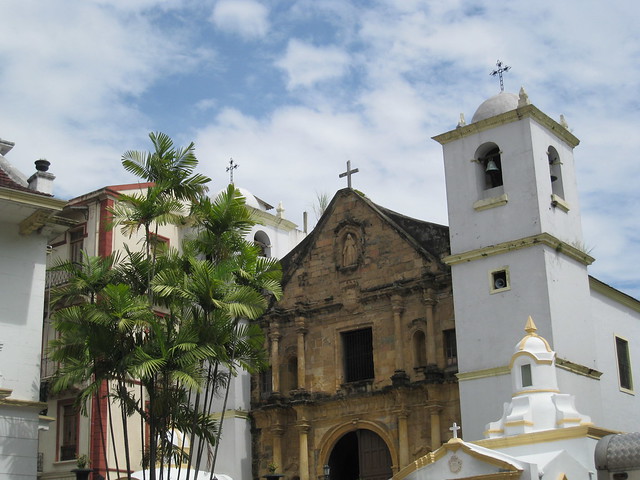
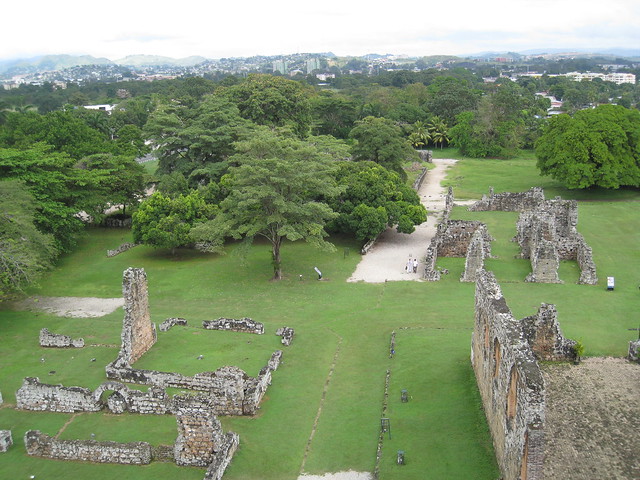
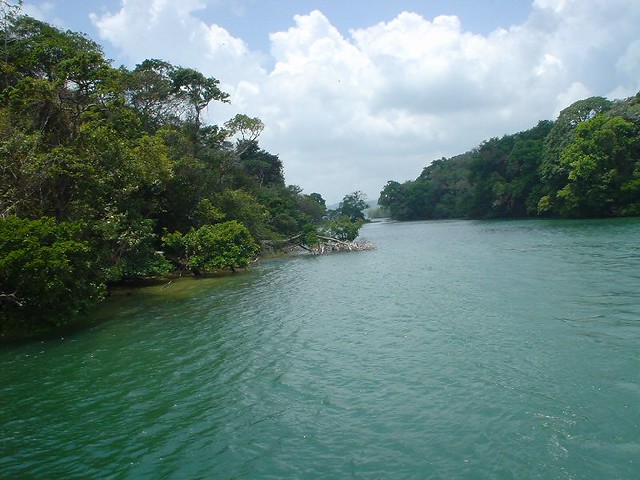
(See below for image credits)
-
Temperature
During the Summer the average high temperature is Warm (70-90F)
-
Cost
For the most part, the cost of hotels, food, etc... here is average
-
Crime
Overall, the crime here is average
-
Overview
Located on the isthmus connecting North and South America, Panama is a country in a transition zone and also controls the Panama Canal. While many simply pass through Panama or the Panama Canal, it is a country worth staying in for a while. The coast is marked by several natural harbors and while several of them are primarily working ports, especially Cristobal which is the main port on the Caribbean end of the Panama Canal, the port areas are still beautiful and the surrounding towns and cities are fun to explore.
Panama City is the heart of the country as approximately half of the population of Panama lives there. The city is ready to cater to the needs of tourists with plenty of hotels and good restaurants. Outside Panama City, much of the country is remote with fewer facilities for both tourists and locals. However, the natural beauty of Panama makes travel outside Panama City alluring to many.
NatureThe Cordillera Central, the mountain range that runs through Panama as part of the continental divide, includes four major volcanoes and several minor ones. You can hike in the mountains and the volcanoes. The Quetzal Trail is popular, but remains uncrowded most of the year. This day hike winds through tropical forest and tropical forest on and around Volcan Baru.
Over 900 bird species live within the skinny borders of Panama, some that you won
Search for DealsImage CreditsAll images are used via Creative Commons Attribution rights. View the original images on Flickr at: Image 1, Image 2, Image 3, Image 4